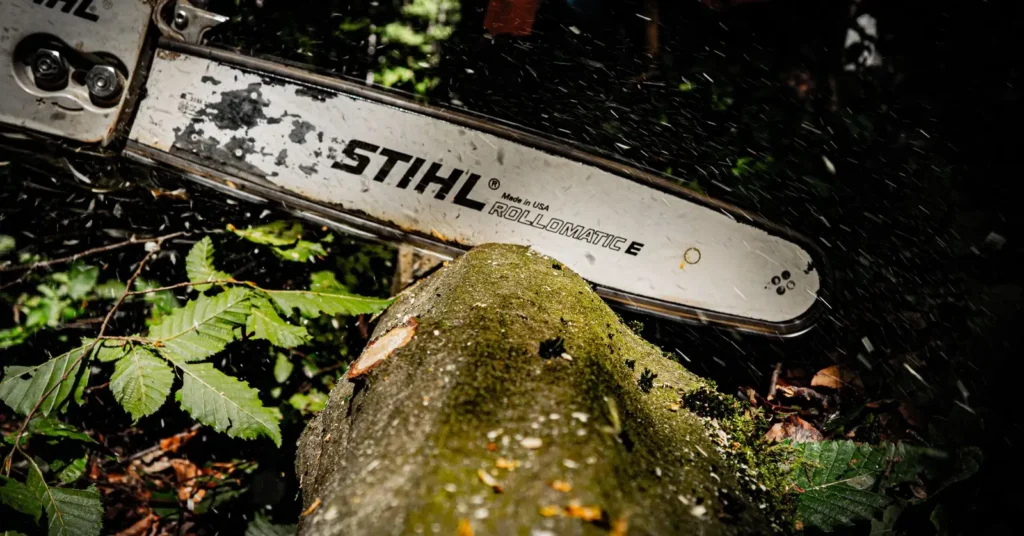
In most cases, no, you don’t need planning permission to remove a tree in your own garden in Dublin. The exception is if that tree is covered by a Tree Preservation Order, sits within a designated conservation area, or is subject to a condition attached to your own planning permission (common on newer estates). Before you book anyone to take a tree down, it takes ten minutes to check with your local authority, and it can save you a very expensive headache.
The general rule for garden trees in Dublin
Most trees in private gardens across Dublin can be felled, pruned or removed without planning permission. This falls under what’s known as exempted development. In practice, this is why we can get on with the vast majority of tree removal jobs we’re called out to without any planning process involved at all.
But “exempted” doesn’t mean “always exempt, no questions asked”. The exemption can be overridden by a Tree Preservation Order, by a condition in a planning permission for your house or an estate, or by the tree sitting inside a conservation area. We’d estimate that on the older, leafier roads we work, places like Dun Laoghaire, Blackrock, Rathgar and parts of Clontarf, a noticeable number of the big specimen trees we’re asked to look at do have some form of protection attached. On newer estates in areas like Swords, it’s less common, but it still happens where a developer was required to retain certain trees as a planning condition.
What a Tree Preservation Order actually means
A Tree Preservation Order (TPO) is a legal notice a local authority can place on a tree, a group of trees, or woodland, where it considers them worth protecting for amenity value. Once an order is in place, you generally need the council’s written consent before you can fell, top, lop, uproot or wilfully damage the tree, even on your own land.
TPOs aren’t always about size or age. We’ve seen smaller trees protected because they screen a road, and much larger self-seeded ones left unprotected because nobody ever flagged them. There’s no shortcut here. If an order exists, the council’s consent process is the only way through it, and that can take a few weeks, so it’s worth building that into your timeline if you’re planning garden works ahead of a sale or renovation.
How to actually check before you cut anything
Every Dublin local authority (Dublin City Council, Dún Laoghaire-Rathdown, South Dublin County Council or Fingal, depending on where you are) holds a register of Tree Preservation Orders and conservation area maps. Some publish an interactive map online, others will take a query by phone or email from the planning department. Either way, it’s a free check and it’s the only way to know for certain.
A few practical things worth doing before you get a tree surgeon out for anything more than routine maintenance:
- Check your local authority’s TPO register or online planning map for the address
- Check whether your property sits within a designated Architectural Conservation Area (common in older parts of Dún Laoghaire, Rathmines and Drumcondra)
- Pull out your own house or estate planning permission documents and check the conditions for any reference to retained trees
- If you bought the house recently, ask your solicitor whether anything about trees or landscaping came up in the title documents
- If in doubt, ring the planning department and ask directly, it’s a normal query and nobody will think less of you for asking
Conservation areas and Dublin’s older suburbs
Dublin has a good number of designated conservation areas, particularly around the Victorian and Edwardian suburbs, think parts of Rathmines, Drumcondra, Glasnevin, Dun Laoghaire and Monkstown. Being in one of these areas doesn’t automatically mean every tree is protected, but it does mean the council pays closer attention to anything that changes the streetscape, and trees are very much part of that. If you’re in one of these areas and the tree you want removed is visible from the road or contributes to the character of the area, it’s worth assuming there’s a higher chance of restrictions until you’ve confirmed otherwise.
What happens if you remove a protected tree without permission
This is the part that genuinely catches people out, usually new owners who inherited a garden full of mature trees and didn’t think to check. Removing or damaging a tree that’s under a Preservation Order without consent is an enforcement matter for the local authority, and it can lead to prosecution. We’ve been called in more than once to assess a garden after a homeowner removed a tree not realising it was protected, and by then it’s too late to undo it. The honest advice is simple: if you have any doubt at all, check first. It costs nothing and it protects you.
Dead, dying or dangerous trees
There’s generally more flexibility where a tree is dead, dying, or poses an immediate danger to people or property, even under a Preservation Order. But “I thought it looked a bit sick” isn’t the same as a genuinely dangerous or dead tree, and the council will usually want some form of evidence or notification rather than just taking a homeowner’s word for it after the fact. If you’re dealing with storm damage or a tree you’re worried about, our tree services page covers how we assess and respond to that, including emergency situations. When something is a genuine safety risk, don’t wait on paperwork, get it looked at properly and keep photos of the condition beforehand.
What we’d actually recommend
If you’re planning any significant tree work, not just felling but major pruning, pollarding or crown reduction on a large or prominent tree, get it checked against the TPO register before anyone picks up a chainsaw. We’re happy to have a look at a tree and give you our honest read on whether it’s likely to be an issue, and point you toward the right local authority contact if it needs a formal check. With over 28 years doing this work across Dublin, we’ve seen the full range, from straightforward back garden jobs to ones that needed council consent first. Getting the order of operations right saves time and money either way.
If you’re weighing up removal against pruning or a pollarding approach instead, it’s worth a conversation before you commit, sometimes a reduction solves the problem (light, roots, overhang) without needing to take the whole tree out at all. Get in touch with Dublin Tree Surgeon through our contact page and we’ll talk you through the options for your specific tree and garden.
Frequently Asked Questions
How do I find out if a tree on my property has a Preservation Order?
Contact the planning department of your local authority, Dublin City Council, Dún Laoghaire-Rathdown, South Dublin County Council or Fingal depending on where you live, and ask them to check the TPO register for your address. Many councils also have an online map you can search yourself.
Does planning permission apply to hedges as well as trees?
Hedges are generally treated differently to trees and are rarely subject to Preservation Orders, though some wildlife and hedge-cutting restrictions can apply at certain times of year. If you’re planning hedge removal or cutting, it’s still worth a quick check with your council if the hedge is old, large, or forms part of a boundary with a protected site.
Can my neighbour stop me removing a tree on my own land?
Not directly, unless the tree is protected by a Preservation Order or similar designation. Boundary disputes over trees are a separate, civil matter from planning law. If a tree is entirely on your property and isn’t protected, the decision is generally yours, though it’s always worth being neighbourly about anything that will visibly change next door’s garden or light.
Does removing a tree in a conservation area always need permission?
Not automatically, being in a conservation area doesn’t mean every tree is protected. But it does mean the local authority is more likely to have taken an interest in significant or visible trees nearby, so it’s worth checking rather than assuming.
What should I do if I think a tree is dangerous but it might be protected?
Get it assessed properly and don’t wait. If there’s a genuine safety risk, note the condition, take photos, and contact the council alongside getting a professional opinion. Most local authorities have a process for urgent situations involving protected trees, but documentation of the risk matters.
Will Dublin Tree Surgeon check the planning status of a tree for me?
We can give you our professional opinion on a tree’s condition and flag if something looks like it may be protected or sit within a conservation area, but the formal check always needs to go through your local authority. We’re happy to point you in the right direction as part of any quote.